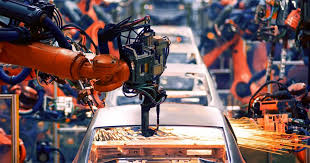
Introduction: The manufacturing sector, known for its efficiency-driven assembly lines and production processes, is undergoing a profound transformation thanks to the integration of Artificial Intelligence (AI). In this blog, we will explore the far-reaching impact of AI on jobs within the manufacturing industry, uncovering both the challenges and opportunities that lie ahead.
The Rise of AI in Manufacturing: Artificial Intelligence, with its ability to analyze data, automate tasks, and make informed decisions, is revolutionizing the manufacturing landscape. From predictive maintenance and quality control to robotics and supply chain optimization, AI is streamlining operations and enhancing productivity like never before.
The Changing Role of Human Workers: As AI takes on repetitive and data-intensive tasks, the roles of human workers are evolving. Rather than replacing humans, AI is complementing their skills and empowering them to focus on higher-level responsibilities that require creativity, critical thinking, and problem-solving. This shift is paving the way for a more dynamic and innovative workforce.
- Collaboration between Humans and AI: In the manufacturing sector, human-AI collaboration is becoming the norm. Workers are now collaborating with AI-powered systems to monitor and maintain machinery, analyze complex data, and make real-time decisions. This synergy enhances efficiency and ensures a more flexible production process.
- Reskilling and Upskilling: The introduction of AI demands a workforce with updated skills. Manufacturers are investing in reskilling and upskilling programs to equip employees with the digital literacy and technical knowledge needed to interact effectively with AI-driven technologies.
- Job Enrichment and Creativity: With routine tasks automated, workers have the opportunity to engage in more meaningful and creative aspects of their jobs. They can contribute to process optimization, product design, and innovation, adding a human touch to the manufacturing process.
- Maintenance and Monitoring: AI’s predictive maintenance capabilities help anticipate machinery failures, allowing workers to perform proactive maintenance, reduce downtime, and optimize overall production efficiency.
- Quality Assurance and Inspection: AI-powered systems can perform intricate quality inspections and detect defects with precision. Human workers collaborate with AI to ensure product quality, making the manufacturing process more reliable.
Challenges and Considerations: While AI promises tremendous benefits, it also raises concerns about job displacement and the potential skills gap. Manufacturers must address these challenges by fostering a culture of continuous learning, providing resources for reskilling, and ensuring a smooth transition for workers into new roles.
Conclusion: The integration of AI in the manufacturing sector is not about replacing humans with machines; it’s about elevating human potential and productivity. As AI takes on routine tasks, human workers have the opportunity to engage in creative problem-solving, innovation, and collaboration. By embracing AI and fostering a culture of adaptation, the manufacturing industry can navigate the changing landscape and create a future where human and machine collaboration leads to unprecedented advancements.
 TECH INSIGHTS
Leave a comment