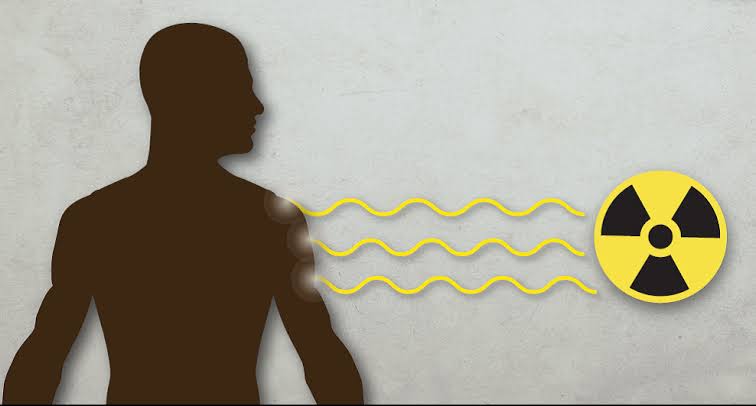
Introduction: Radiation – a term that simultaneously sparks curiosity and fear. It’s a phenomenon that has intrigued scientists and puzzled the general public for decades. In this blog, we will delve into the fascinating world of radiation, exploring what it is, how it works, and its diverse impacts on our lives.
What is Radiation? Radiation is the emission of energy in the form of particles or waves from a source. These emitted particles or waves carry energy and can travel through space or matter. Radiation can take various forms, including electromagnetic waves like light, radio waves, and X-rays, as well as particles like alpha, beta, and gamma particles.
Understanding the Electromagnetic Spectrum: The electromagnetic spectrum encompasses a wide range of radiation types, each with unique properties and effects. At one end, we have low-energy, long-wavelength radiation such as radio waves and microwaves. As we move towards the other end, we encounter higher-energy, shorter-wavelength radiation like ultraviolet rays, X-rays, and gamma rays. Each type of radiation interacts differently with matter and has distinct applications and hazards.
How Radiation Works: Radiation is produced when atoms undergo changes in their energy states. This can happen through processes like radioactive decay, nuclear reactions, or the acceleration of charged particles. As atoms transition from higher to lower energy states, they release excess energy in the form of radiation. For example, X-rays are generated when high-speed electrons collide with metal atoms, causing them to emit photons.
Natural and Artificial Sources: Radiation surrounds us at all times, both from natural and human-made sources. Natural sources include cosmic radiation from space, radioactivity in the Earth’s crust, and even the warmth of sunlight. Artificial sources, on the other hand, encompass medical X-rays, nuclear power plants, and various industrial applications like food irradiation.
Impacts on Health: While radiation has numerous beneficial applications in medicine, industry, and technology, it also poses potential health risks. High doses of ionizing radiation, such as gamma rays and X-rays, can damage cells and DNA. Prolonged exposure to high levels of ionizing radiation is associated with an increased risk of cancer and other health issues. However, it’s essential to note that low levels of radiation are part of our natural environment and usually have minimal impact on health.
Radiation in Everyday Life: Radiation plays a vital role in modern life. From diagnosing medical conditions using X-rays and MRI scans to powering homes through nuclear energy, its applications are extensive. Additionally, advances in communication and technology rely on radio waves and microwaves, making radiation an integral part of our interconnected world.
Conclusion: Radiation remains a captivating force that shapes our world in various ways. By understanding its properties, effects, and applications, we can harness its power for the betterment of society while being mindful of its potential risks. Whether it’s unraveling the mysteries of the universe or enhancing medical treatments, radiation continues to be a driving force of progress and discovery.
 TECH INSIGHTS
Leave a comment